Using emulators to play games is a fun, often easier than expected, way to experience one of the classics in your collection. Once the chips stop working on your original console and you slash your last Stalfos in Zelda: Ocarina of Time, or stomp on your last Goomba in Super Mario 64, it may be time to resort to using an emulator to recapture that same feeling. However, many people use emulators to play games that they don’t own, and this is where the specter of piracy begins to rear its ugly head. Emulation is also important for game preservation. Is it right that companies like Sony and Nintendo clamp down so hard on those that facilitate emulation?
Forms of Emulation
Emulators such as Project64 have been available for over 20 years on PC. Even before this, the NES emulator Nesticle existed. Nowadays, people can easily use Android and iOS emulators on their phones and tablets to play many games from many systems including NES, SNES, Genesis, GBA N64, PlayStation, and more.
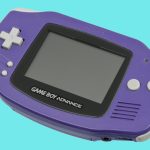
This means that there are literally hundreds of classics available to gamers at the tip of a finger (if they download the relevant emulators and ROMs, which we suggest only doing so if you already own the game). Then, there are also flash carts on dedicated handhelds. The Omega Flash cart on GBA, and R4 cards on DS make emulation (and often piracy) a feature of the handheld gaming scene. However, technically, it isn’t just the humble gamer that uses emulation.

Games Preservation
Emulation, or the process of recreating a console virtually, is widely used by developers in retro compilations and legacy services. When emulation is implemented by developers in game compilations many of the issues that appear with other types of emulation are ironed out, and the gameplay product is less prone to bugs or freezing, and runs better. The Wii used emulation in its Virtual Console service, and the 3DS and 3D Genesis releases were all made possible through emulation.
Speaking of the 3DS, with the eShop shutting its doors recently, many games have been made impossible to access to the wider public. However, because of emulation, we have been able to preserve these titles. While the big corporations might not be happy that people are emulating some of their games, the process of emulation helps to record video game history, and to save games that would have otherwise disappeared into obscurity.

Piracy
That isn’t to say that everyone that emulates games does so with the purest of intentions. Legally, you are only allowed to emulate games if you own the game from which the ROM you are playing belongs to. Through this loophole, the whole business of emulation is made legal. People sometimes do play ROMs from games that they don’t own. This is technically piracy. However, it is hard to prove that this is occurring when a company sells a flash cart, and for this reason, selling emulators and flash carts isn’t illegal. It’s a similar case to downloading music.
People appreciate the content that the developers have created, so is it really necessary for publishers like Nintendo to come down so hard on the people that produce the emulation products?
Conclusion
Overall, emulation is a great way to play old classics that you own, and it plays a really important role in preserving games that haven’t been dealt the lucky hand of being included in legacy compilations. Some people do use emulators to play games that they don’t own, but at the end of the day, developers should be happy that their games are being played after so long, that the games often are special to the players, and that emulation can even be considered a form of advertisement if these games are off the market.
If someone plays an old Sonic game on an emulator, they may be more likely to go out and buy the new Sonic game that has just come out. Hopefully, Nintendo will stop being so strict with their rules on emulation and piracy, and we will be able to continue to have some control over how we play the properties and franchises that we love.

BongoBongo123 is an avid Zelda fan who also likes the odd game of Smash. His interests in gaming are broad but he loves a good Metroidvania or action RPGs.