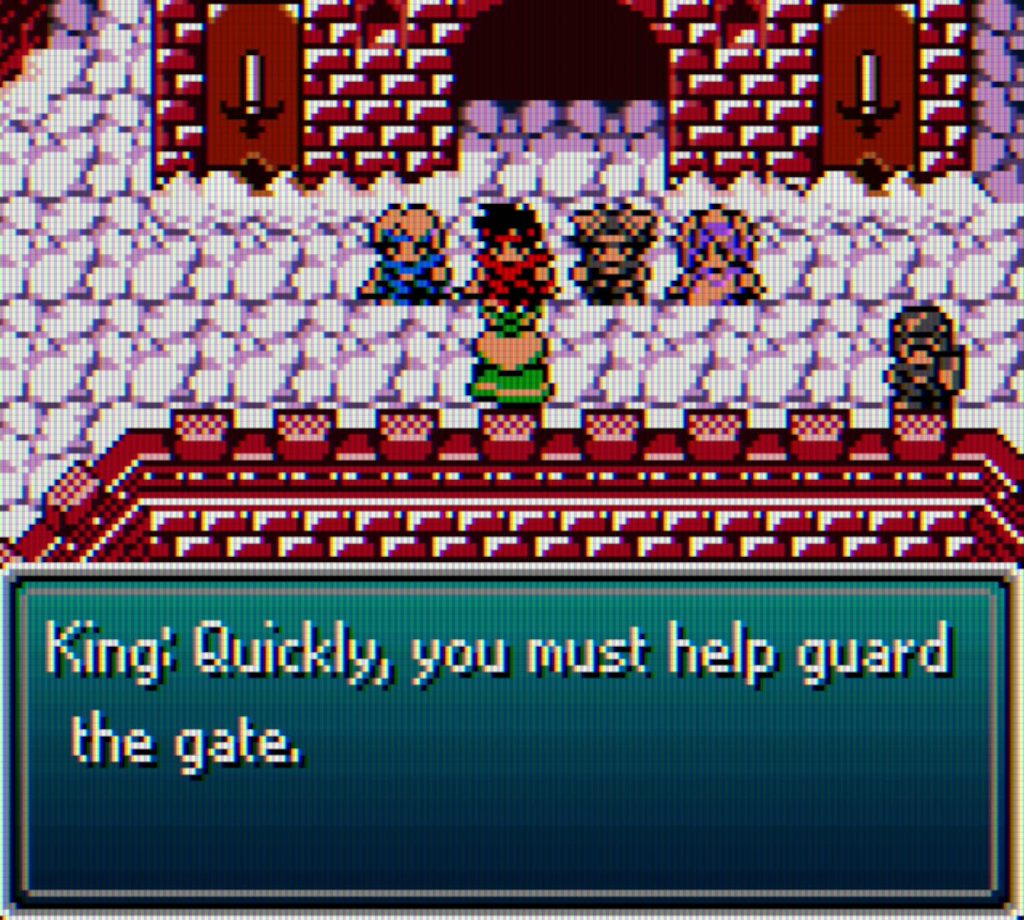
Infinity is another game that originally started development on the Game Boy many years ago and has recently been revived and released in the modern era. This is similar to titles like Kien, and Shantae: Risky Revolution. You may have heard of Infinity back in 2016, as the original team put together a demo of 2-3 hours of the game (until the Evil Tree Boss) and released it around this time. Then in 2021, Incube8 Games ran a Kickstarter to acquire and finish the game, and added new team members along the way until its completion in 2025.
Infinity was originally in development in 2000 for the Game Boy Color. However, development was halted as the Game Boy Color lost support from Nintendo, and the original developer, Affinix couldn’t restart development for the GBA because of various issues. From what I understand, the title was almost half finished when development ceased in 2001. The title is a Western role-playing game, but it is clearly influenced by Japanese titles such as Chrono Trigger, Shining Force, and Phantasy Star. Just recently, in 2025, Incube8 Games finally finished development of Infinity, and the full title has been released. Infinity may also release on the Nintendo Switch and Steam in the near future.
Like Dragonhym, Wicked Plague, and Zepyhr’s Pass, Infinity is an ambitious ‘post-life’ Game Boy Color game. The title is in full color, uses turn-based combat, has a full, deep story, and includes an overworld, towns, numeous NPC’s, numerous pieces of gear, and much more. The title has dark themes about the end of the world, suffering, and grief. Read on for a review of the 2025 version of Infinity for the Game Boy Color.
Characters and Story
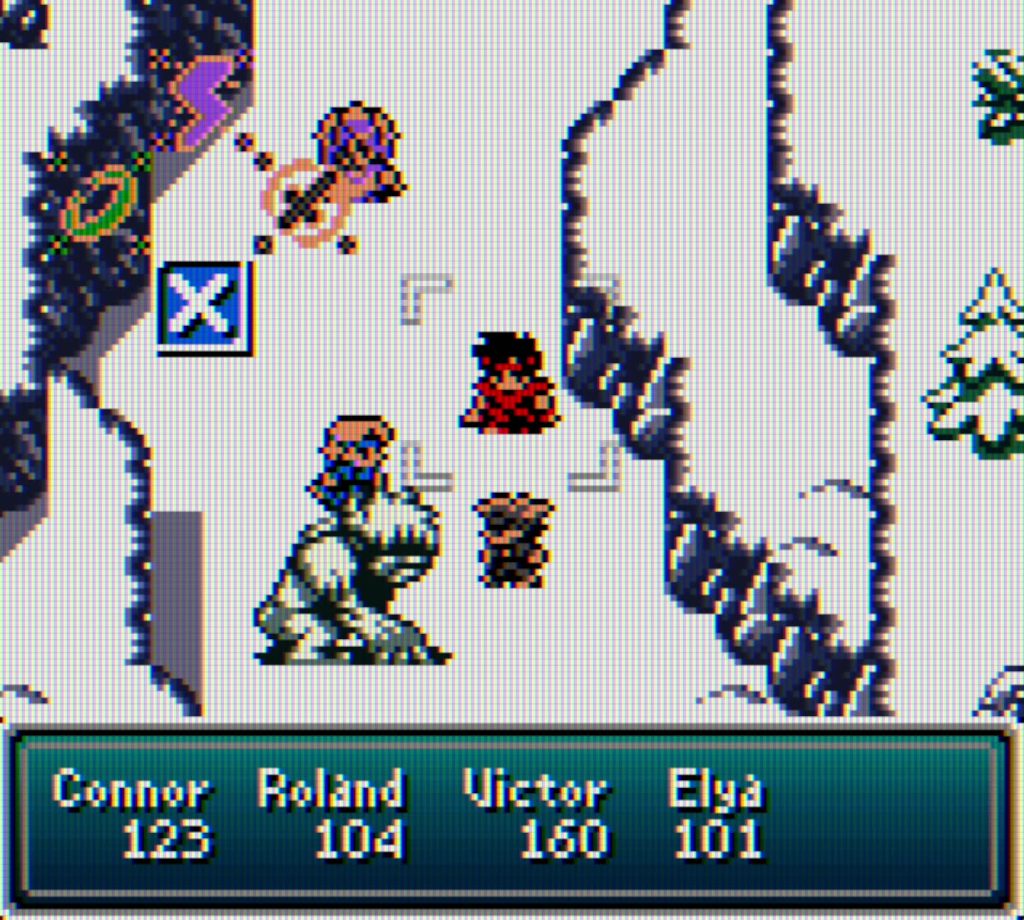
Infinity introduces characters throughout the adventure that come and go as you progress. This is similar to many role-playing games such as Final Fantasy, Chrono Trigger, the Mana games, and many more. In Infinity, Connor, the main protagonist, is an old warrior who at first seems hesitant to go into battle again. However, he is eventually convinced by his king (who seems to have made a habit of making terrible mistakes). Connor isn’t a particularly likable character. At times, I find his reactions over the top, and he behaves arrogantly or belligerently, often.
However, the other characters you meet are varied and have complex motives. For example, there is a werewolf man who becomes part of your party. His main goal is to cure the condition that turns him into a wolf-like creature. This kind of complexity is great for a small game. It’s a sign of the ambition of Infinity.
The writing is generally very good. Combined with the good soundtrack, the game certainly can create a good atmosphere. The story becomes captivating as it progresses, and there are some good twists along the way. It is not that the story is particularly complex; it is that there are clear characters with understandable motivations and desires that are told to the player in a way that feels organic. Despite Connor not being likable, his attitude is understandable when you keep in mind the peril his world is in. The game is apocalyptic, and there are tragedies around every corner. It is emotive, and the good writing is one reason for this.
The game is never funny, but the writing, combined with the music make for a good job at being epic. Infinity is an ambitious project for the humble Game Boy Color. The adventure is between 8 and 12 hours from start to finish. Many Game Boy homebrew titles are very short experiences, being around 1 to 2 hours, but Infinity is a ‘full’ game. I’d compare it to Shadows of Adam (2017) in terms of game length and story flow. While not as long as many traditional JRPGs it is a sizable adventure. I’m very glad that the developers and publisher, and everyone involved put so much passion and effort into reviving this game. It’s a good sign for the future of Game Boy homebrew.
Gameplay
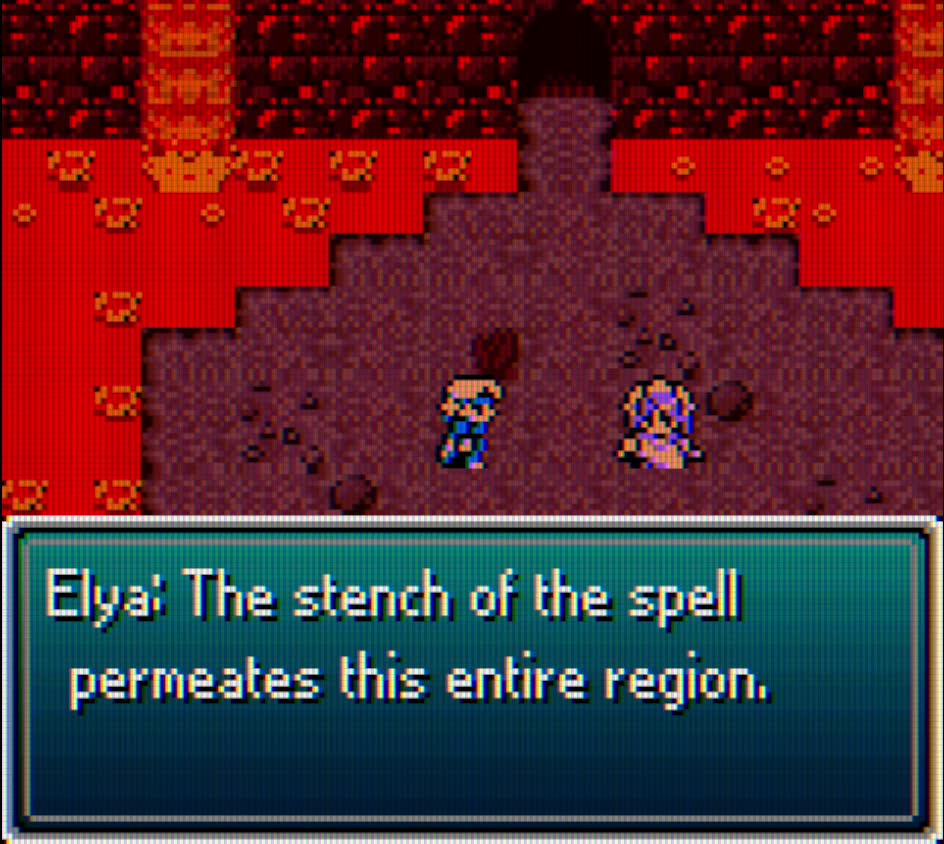
The prologue is a concise section that effectively sets the stage for the rest of the game. I felt excited for the adventure after this first section. You are introduced to Connor, the protagonist, and his relationship to the king, and the general goals of these two characters. The turn-based combat is also open to be explored at this early point of the game by visiting the overworld map as you travel from Connor’s village to the castle. These first early battles are easy, but you might not properly understand the combat until you’re a bit more experienced.
The game could be described as a tactical role-playing game. You can have up to four characters in your party. The positions of your characters on the battle grid is imprortant. I think, in terms of gameplay, the game is more similar to Shining Force rather than Fire Emblem. At first, the gameplay feels simple and intuitive. However, I found it easy for my characters to perform actions in battle that I did not intend. I found it hard to pinpoint my attack to the right enemy at the right spot on the grid. The process of attacking without using a special attack/healing move confused me for a good while. It took some time to adapt to the system despite it initially seeming simple. Once you learn, it is a deep system that works, so try not to be put off initially if this isn’t your usual type of game.
The menus and character info tabs are not intimidating and are easy to scroll through and understand. This means that when you get new gear, it is easy to equip the superior gear. The simplicity and ease of using the menus reminded me a bit of Chrono Trigger. This all helps to make Infinity a relatively accessible title.
There are three difficulty settings that you choose at the start of the adventure, but it seems you can also change on the fly via a settings menu. ‘Story’ is the easiest setting, allowing those who aren’t used to tactical role-playing games to experience the adventure. I found it fun and still at times challenging in this setting. No matter which setting you choose, you may have to do some grinding for experience to level up at some points during your adventure. However, because of how well designed the game is, this hardly ever feels like a chore. Because I have experience with the 2016 incomplete version of this game (which only lets you reach an early stage) I wanted to have a stress-free experience and quickly get through parts of the game I’d already played, so I chose the easiest difficulty.
Visuals and Sound
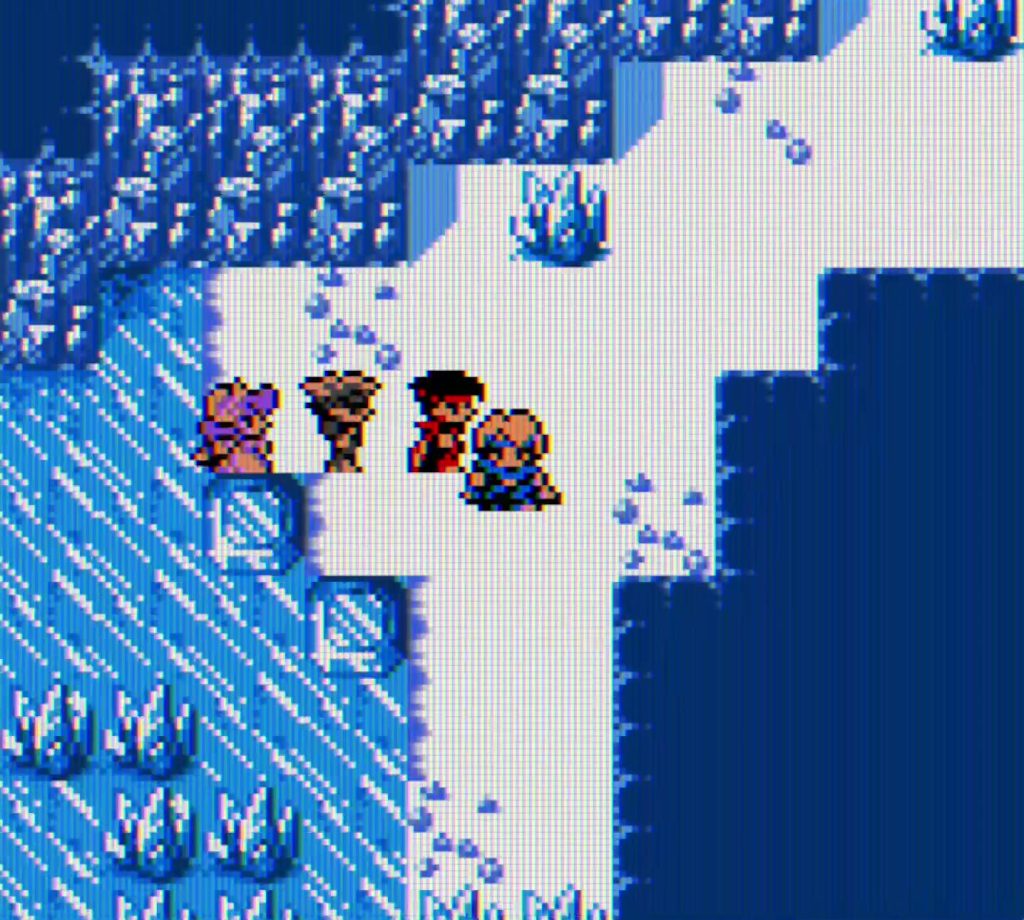
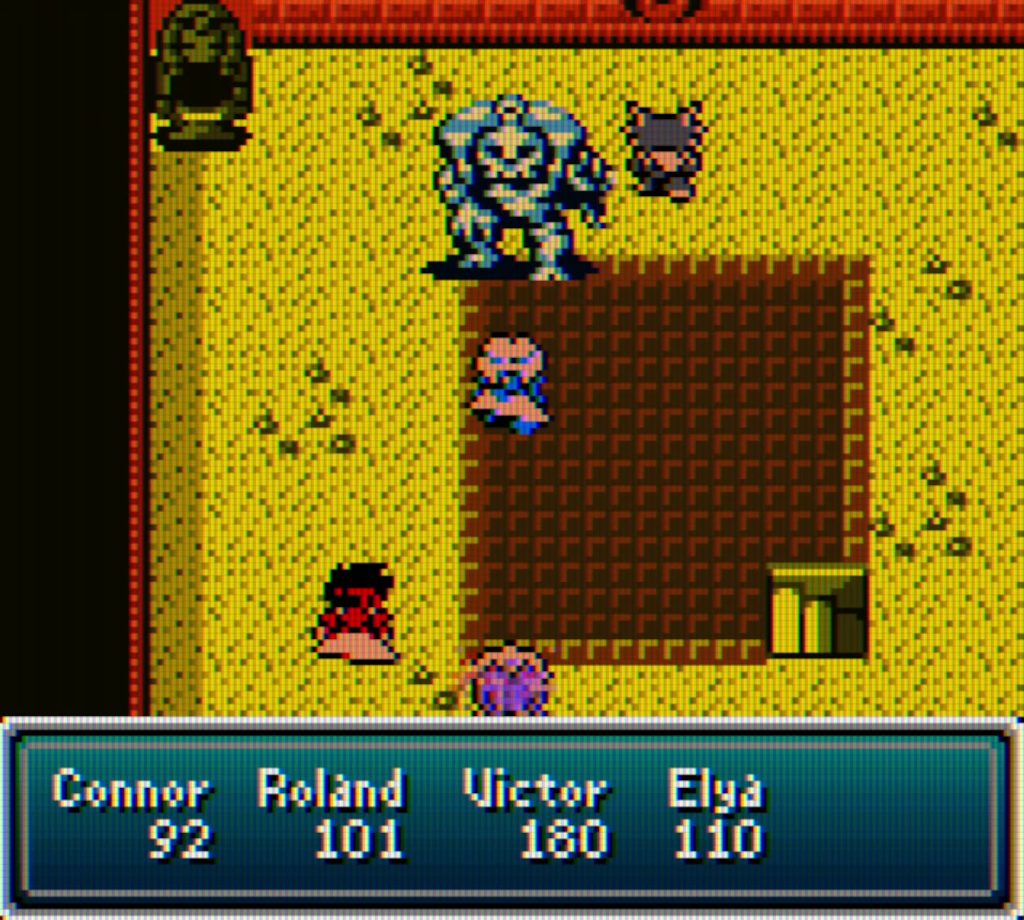
The game is varied in terms of environments, enemies, and areas. Vibrant colors are used at times, and there are cool graphical effects, the first example being the title screen. The graphics are limited by the 8-bit Game Boy Color but the artists have done a great job with the weak power of the system. The game looks similar to Game Boy Zelda or Game Boy Pokémon. The enemies all look detailed, and it is quite clear what they are meant to be representing, which can’t be said of every 8-bit role-playing game.
In Infinity, some of the bosses, like a huge demon tree that you tackle after a couple of hours, look scary and impressive. The boss encounters are the most graphically impressive parts of the game, and they can really show off the fun combat system (even at lower difficulty levels). With the 8-bit limitations, the dark themes that focus on annihilation and apocalypse can still be felt. When a great soundtrack, colorful active visuals, and good storytelling are combined, it all makes for an experience that the developers should be proud of.
Conclusion
Overall, Infinity is a tactical role-playing game set in a medieval world that includes magic, fantasy creatures, and an epic storyline. The themes are dark, and the game deals with serious concepts such as death, mourning, and grief. In the game world, the people are dealt blow after blow in terms of death and suffering. Our protagonist Connor is arrogant and reluctant, but maybe he’s only like that because the harsh world has made him like that. He’s not the most damaged character in the game, mentally or physically. Infinity, while being clear in some respects, also includes characters with complex motivations. It adds to the nuance of the story but at times some of the characters seem to take things too seriously. The game seems to have many influences, but in terms of exploration, story, and sound, it is similar to the great Phantasy Star 4.
In terms of gameplay, the title is turn-based tactical action where the position of your four-party team is key to success. The combat can feel clumsy at the start when you don’t know how it works. Once you do get used to it, the system becomes addictive and enjoyable. The impressive boss battles are some of the highlights of the game. The enemy diversity and environmental diversity are high, and the art is varied and colorful. The menus are easy to navigate and are part of the great presentation. Infinity is one of the best of the recent Game Boy games, and it is an ambitious title for an 8-bit game. It comes highly recommended if you enjoy role-playing games.
8/10

BongoBongo123 is an avid Zelda fan who also likes the odd game of Smash. His interests in gaming are broad but he loves a good Metroidvania or action RPGs.
[…] in Trick – or – Treat Land is another new Game Boy Color game. Joining the likes of Infinity, Wicked Plague, and Dragonhym, Gumball in Trick or Treat Land is an ambitious homebrew title with […]